Tannhäuser
Tannhäuser
In co-production with the Croatian National Theatre in Zagreb and Cankarjev dom Ljubljana
Music and libretto: Richard Wagner
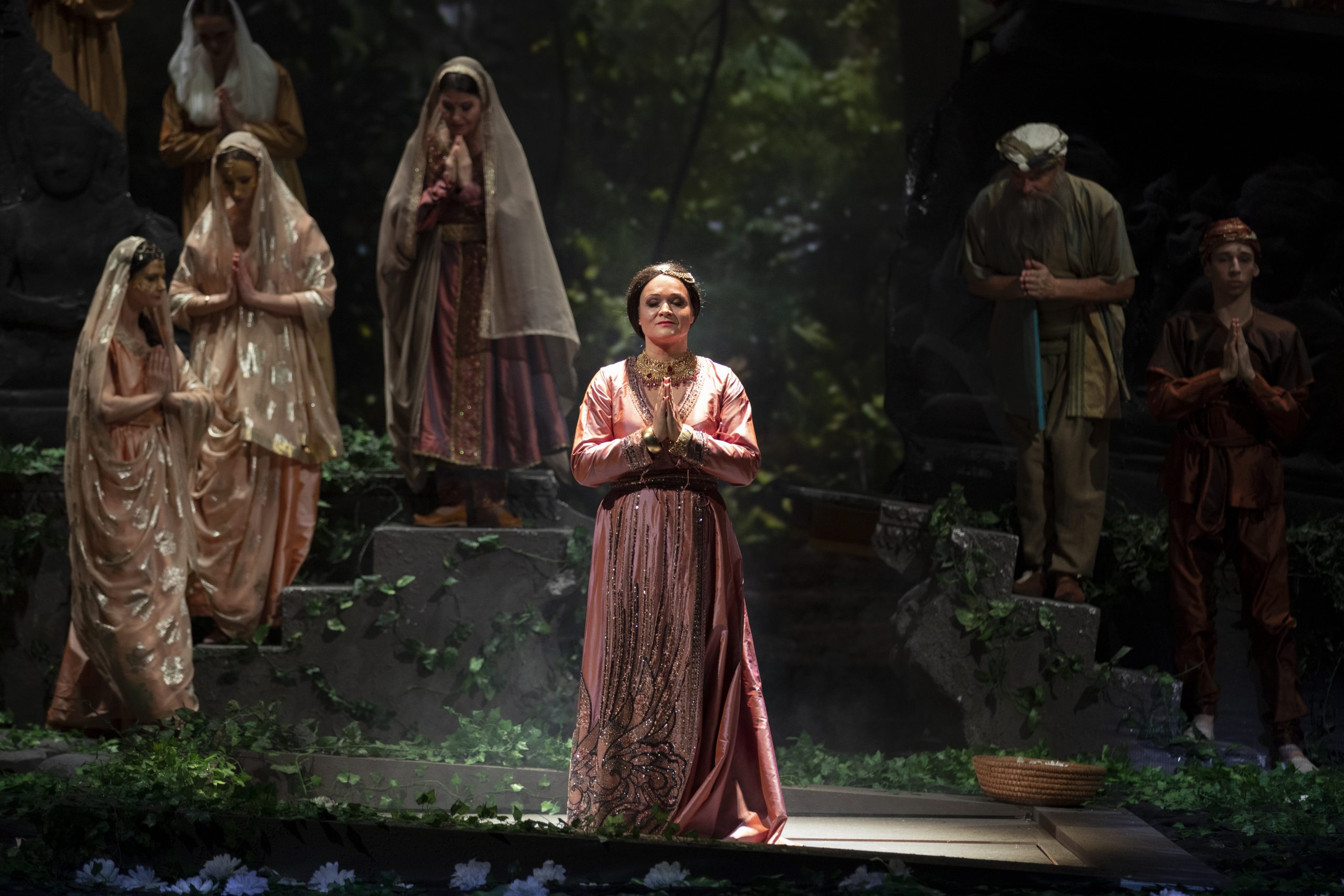
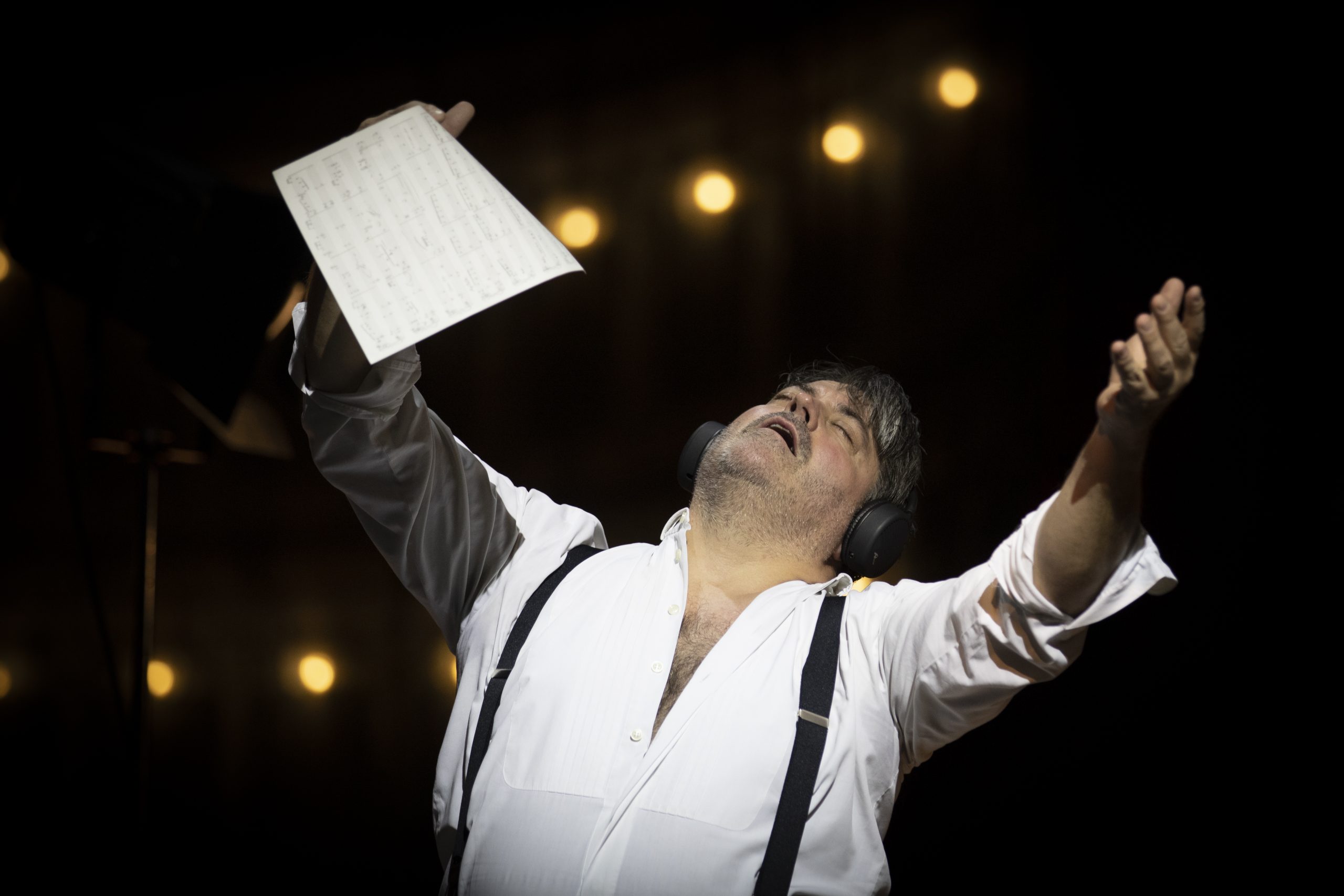
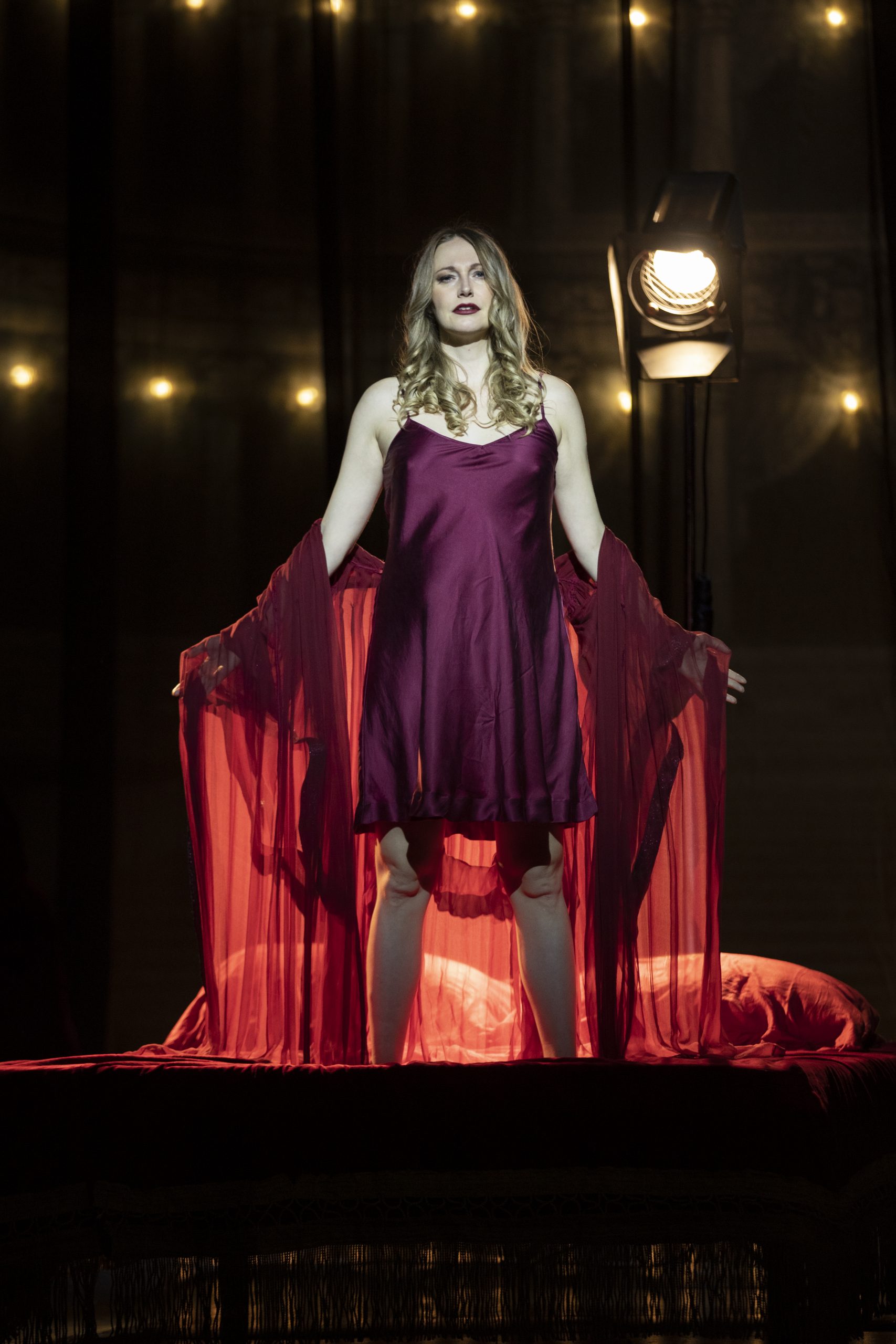
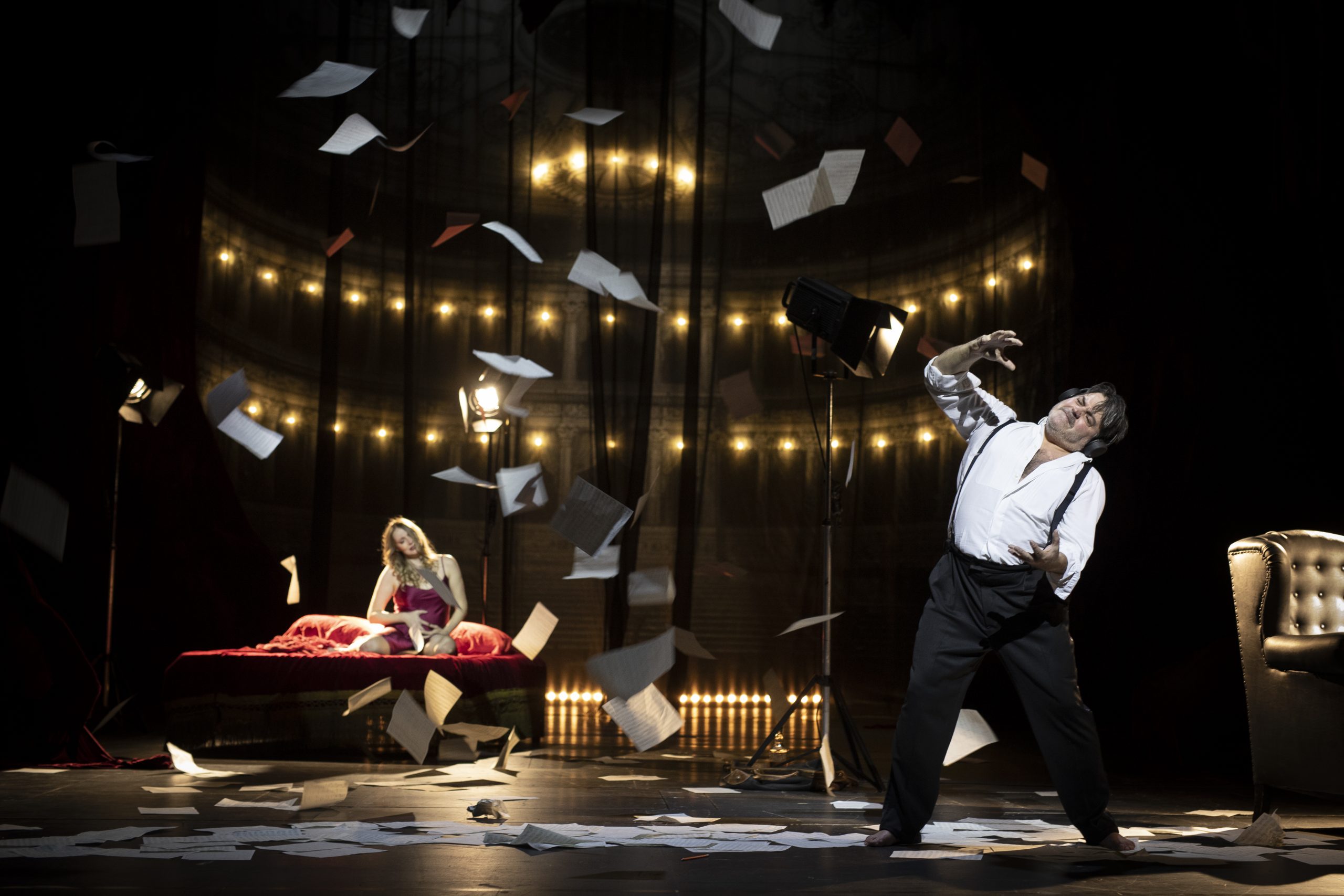
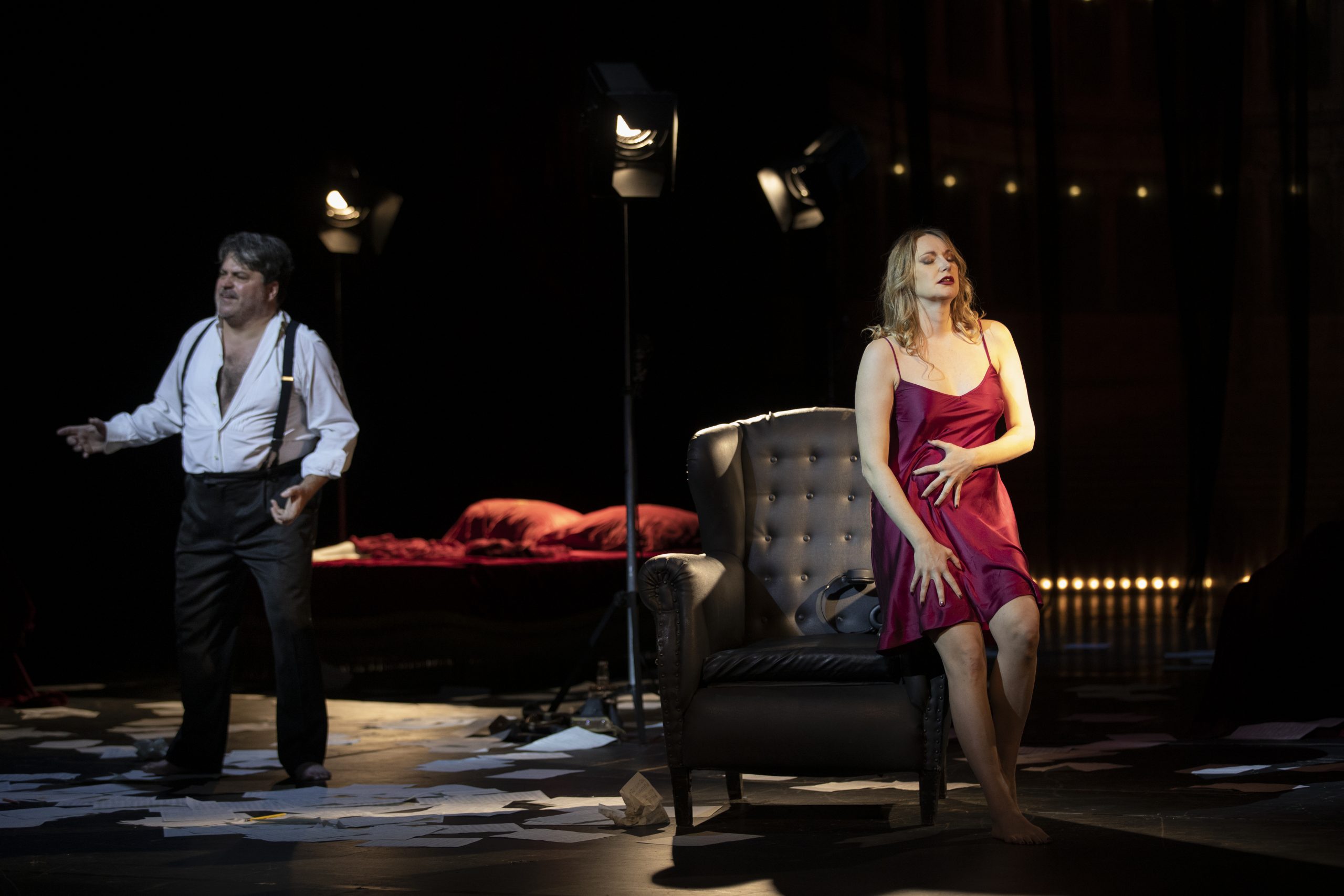
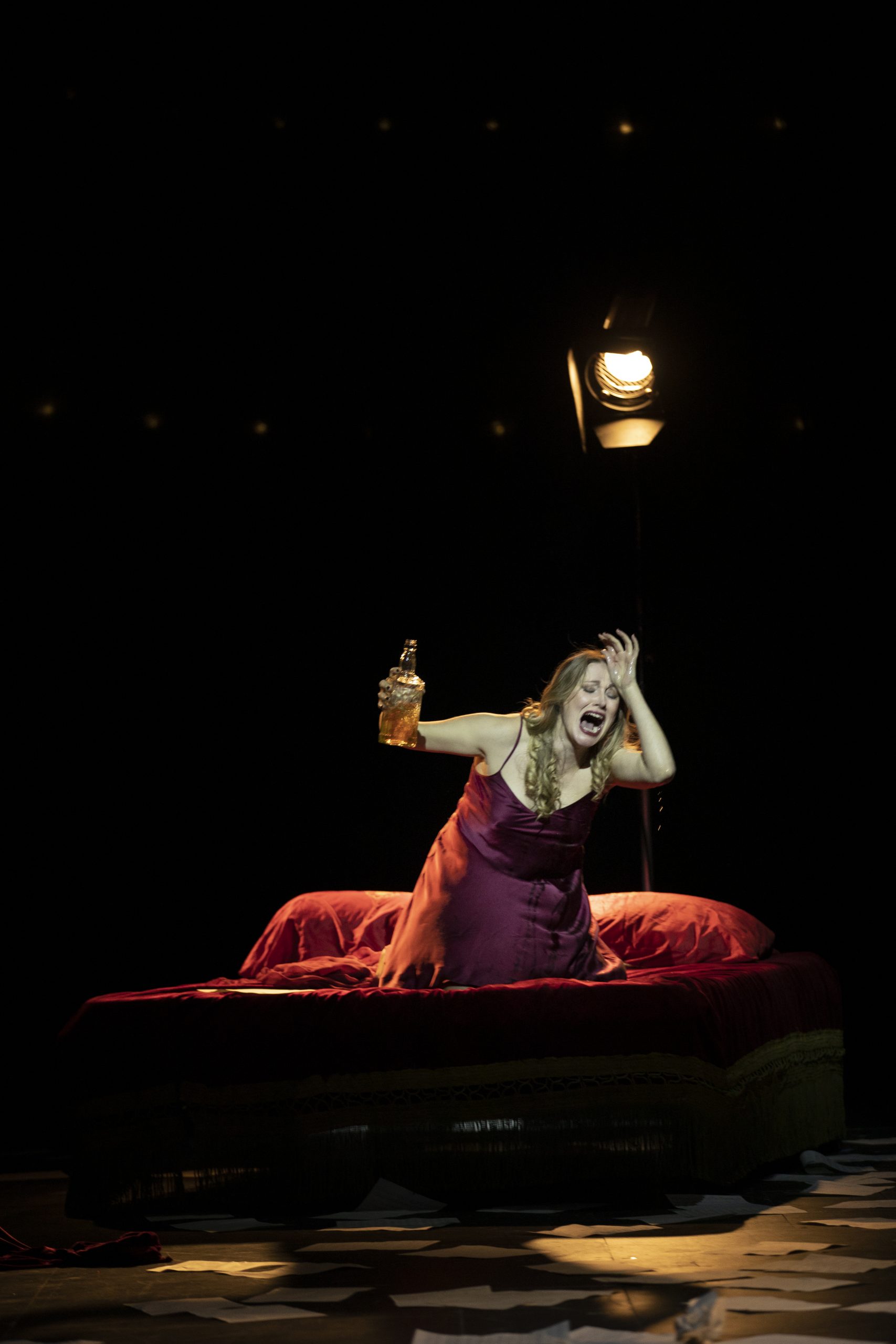
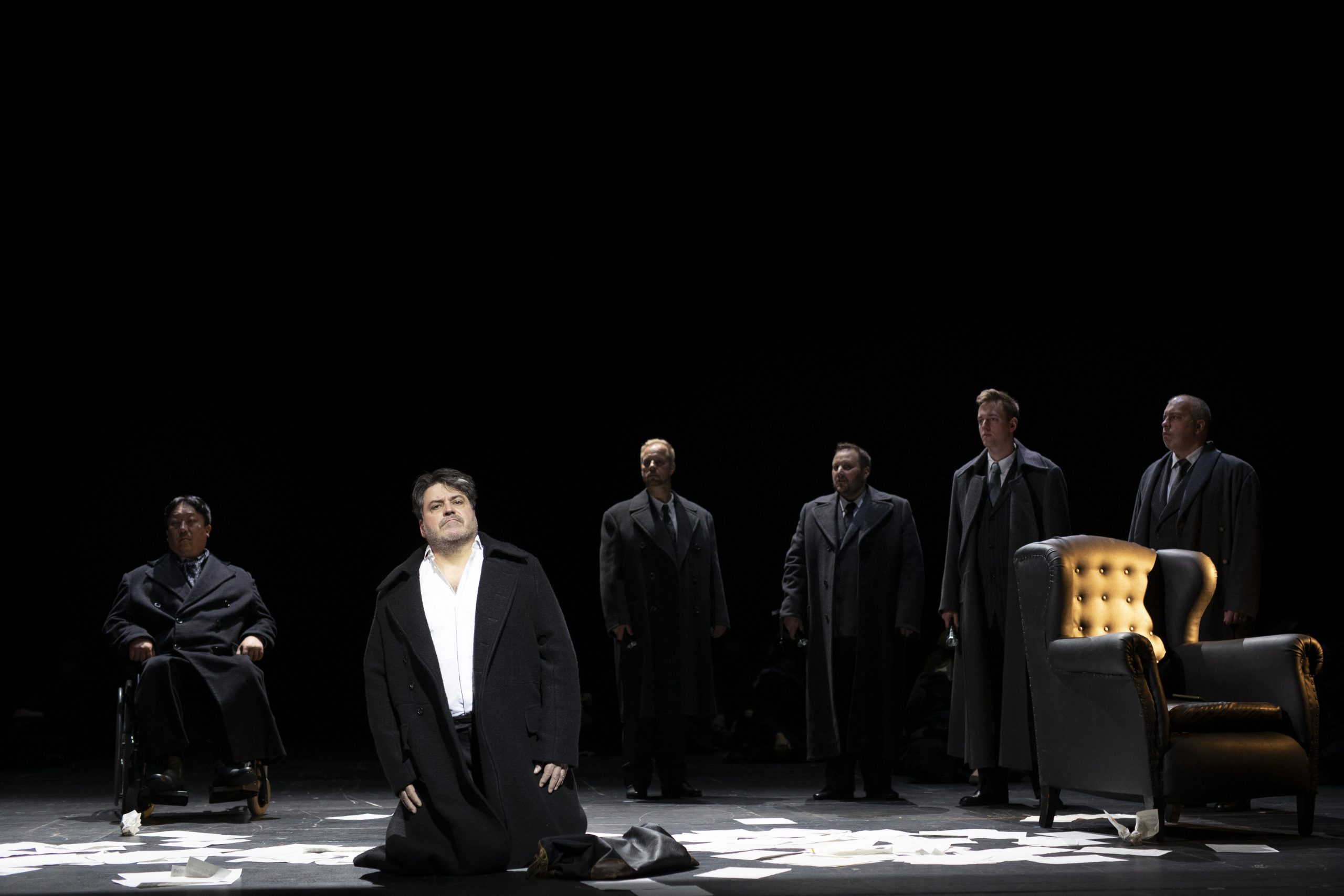
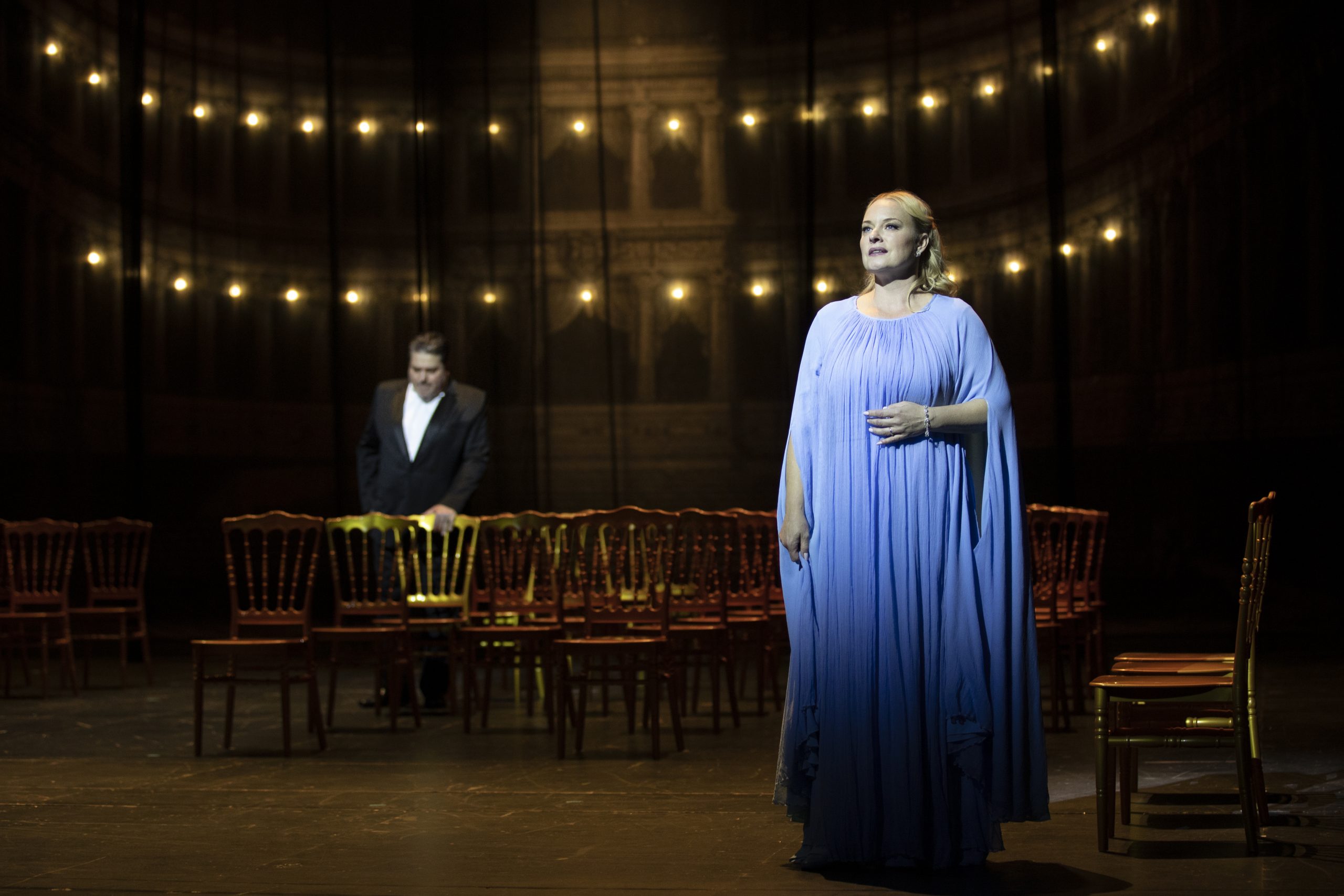
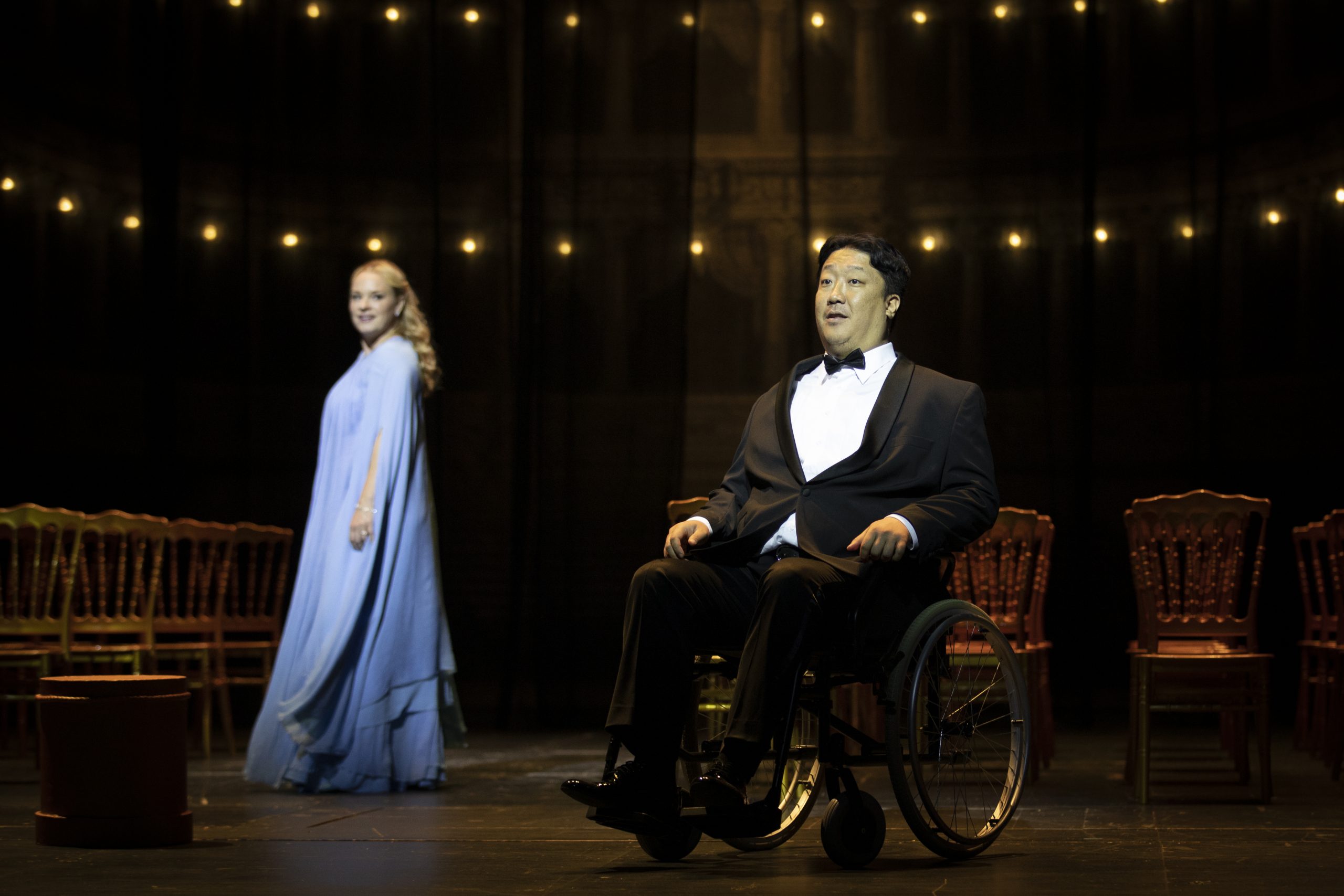
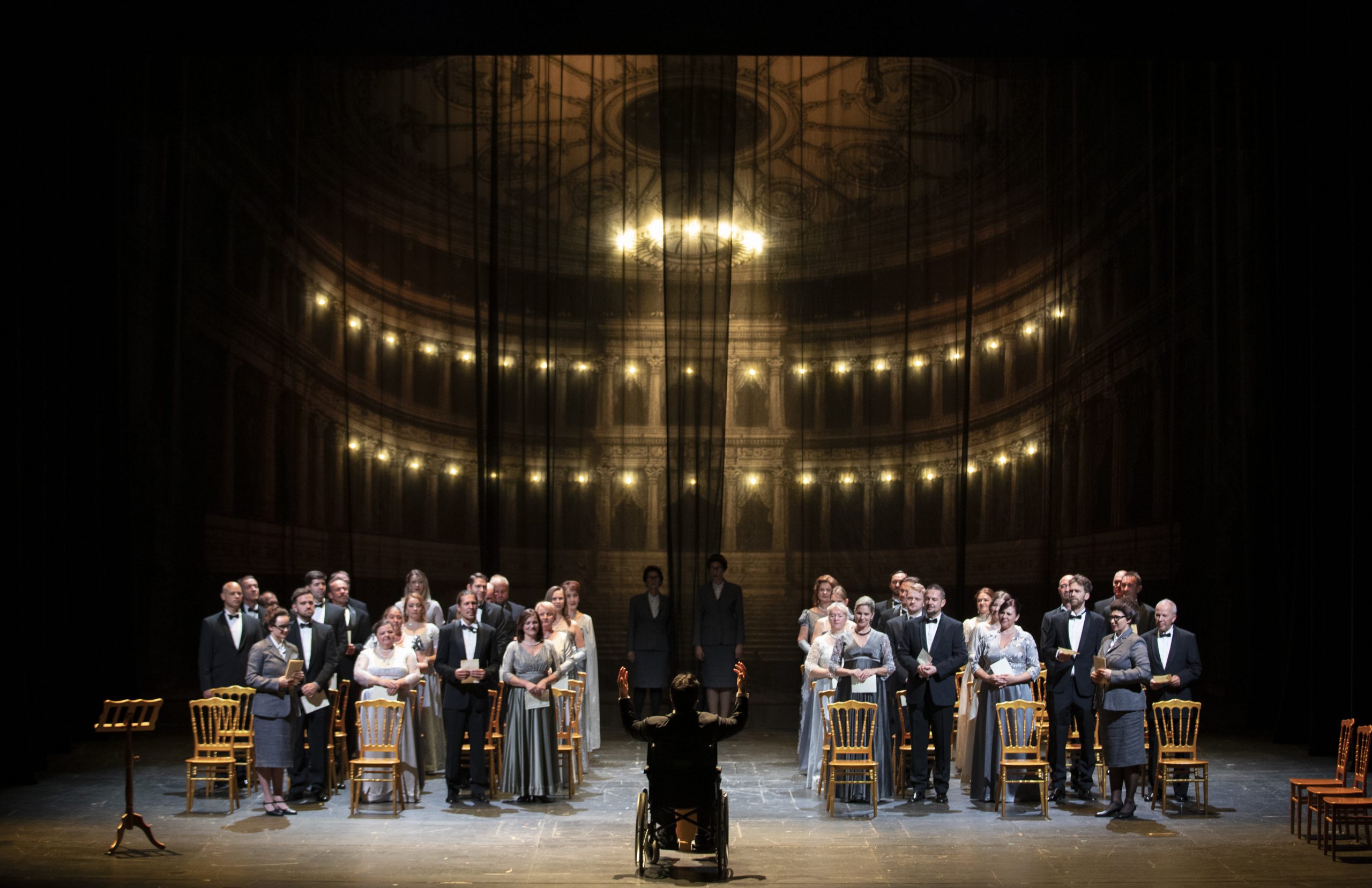
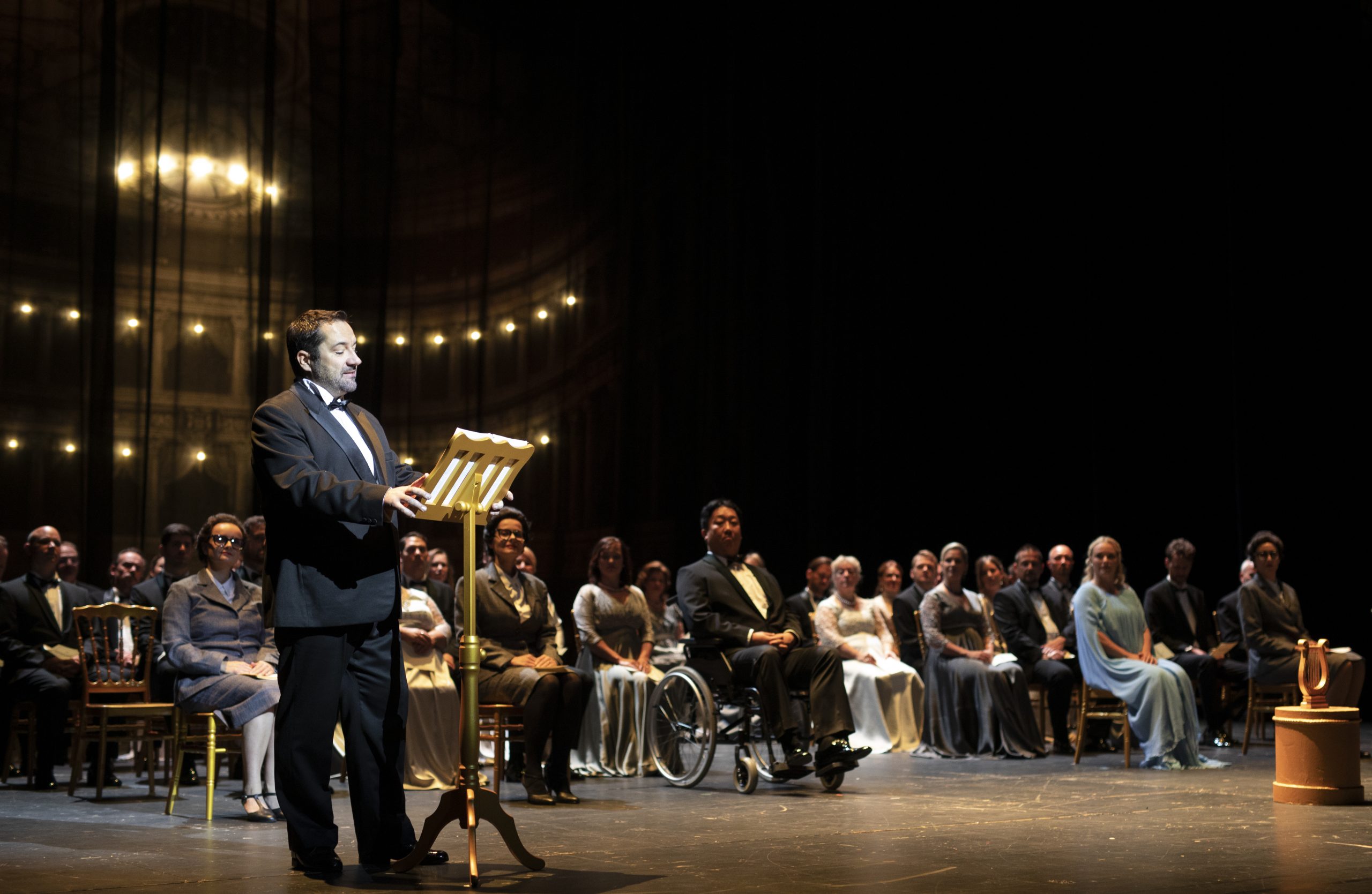
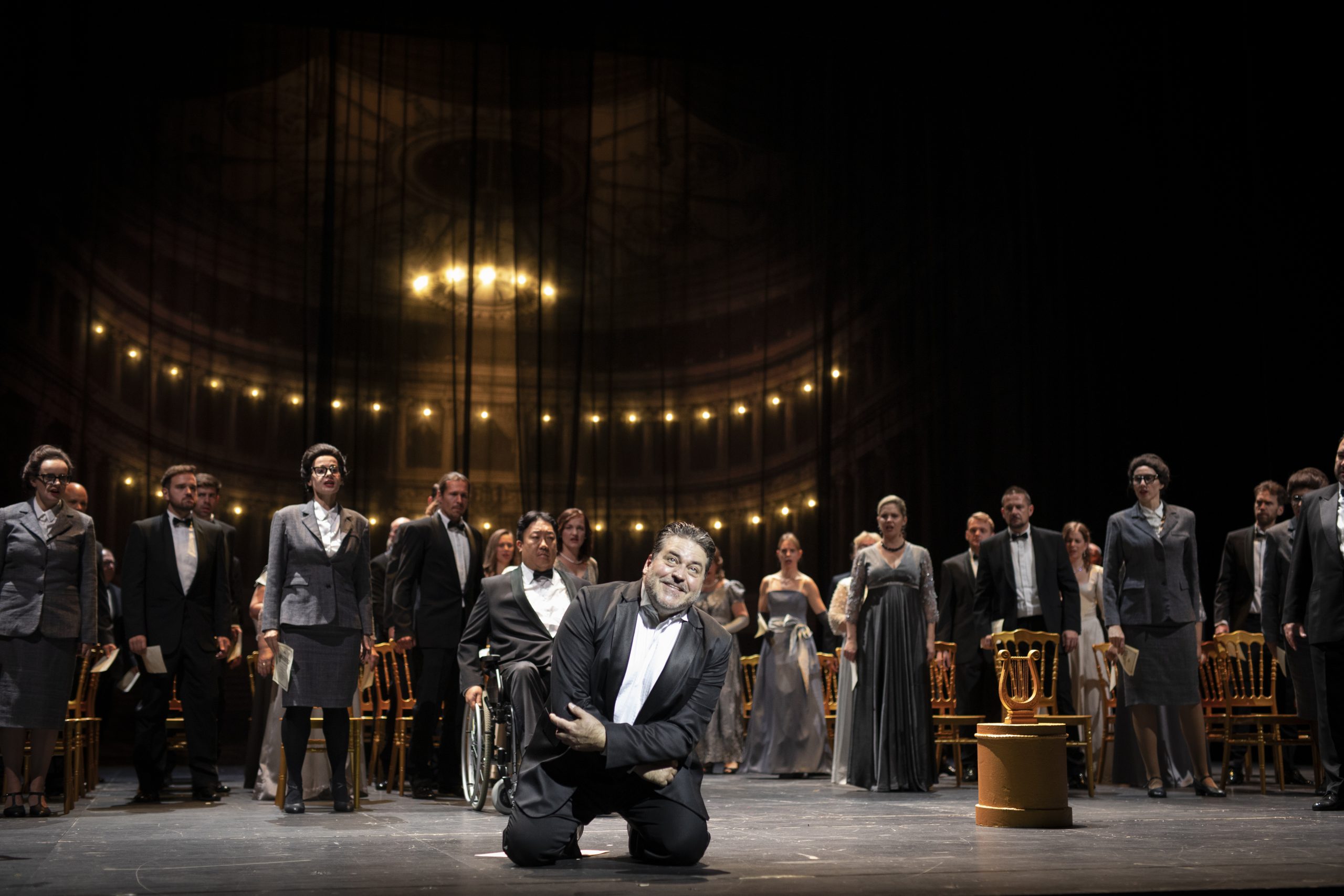
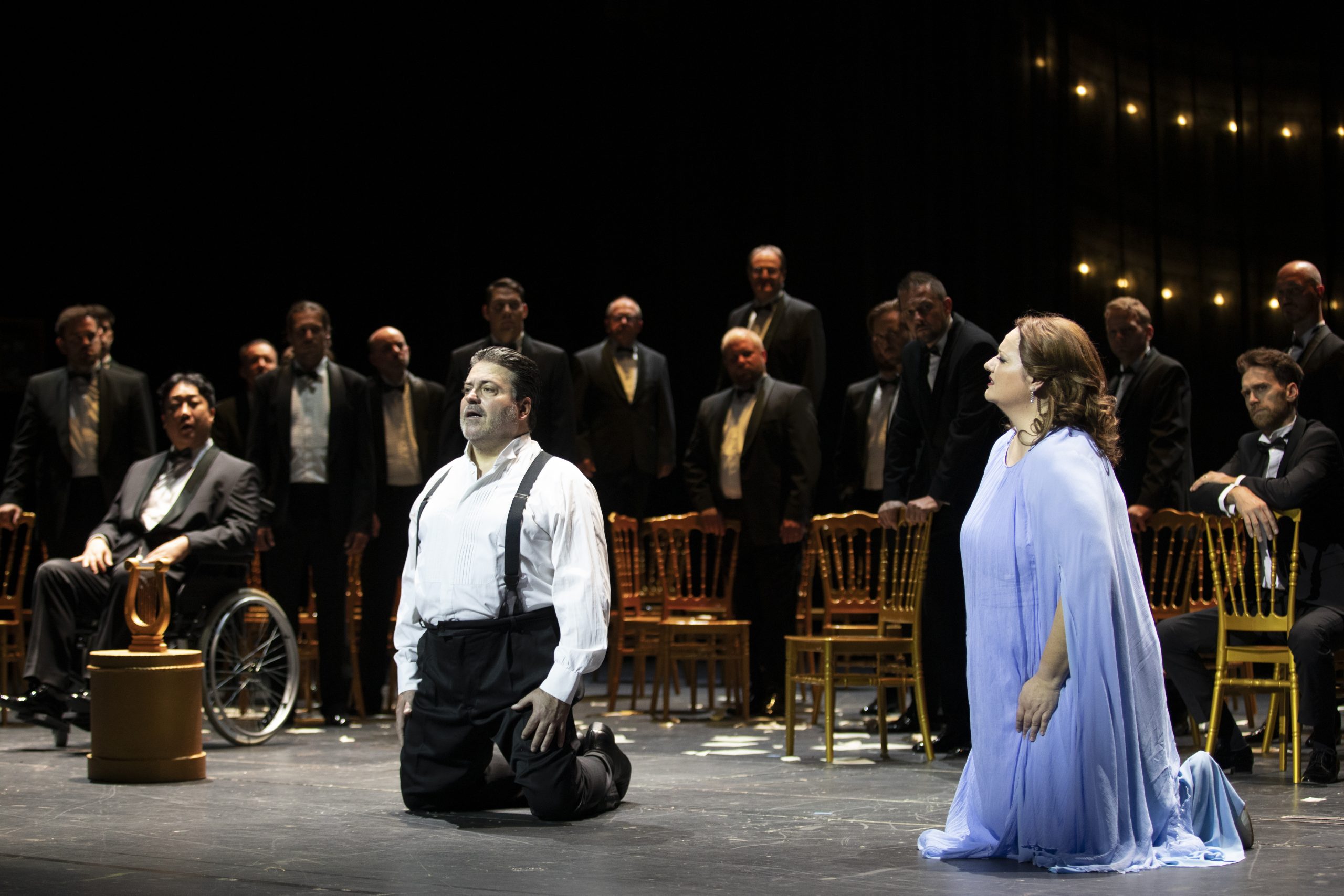
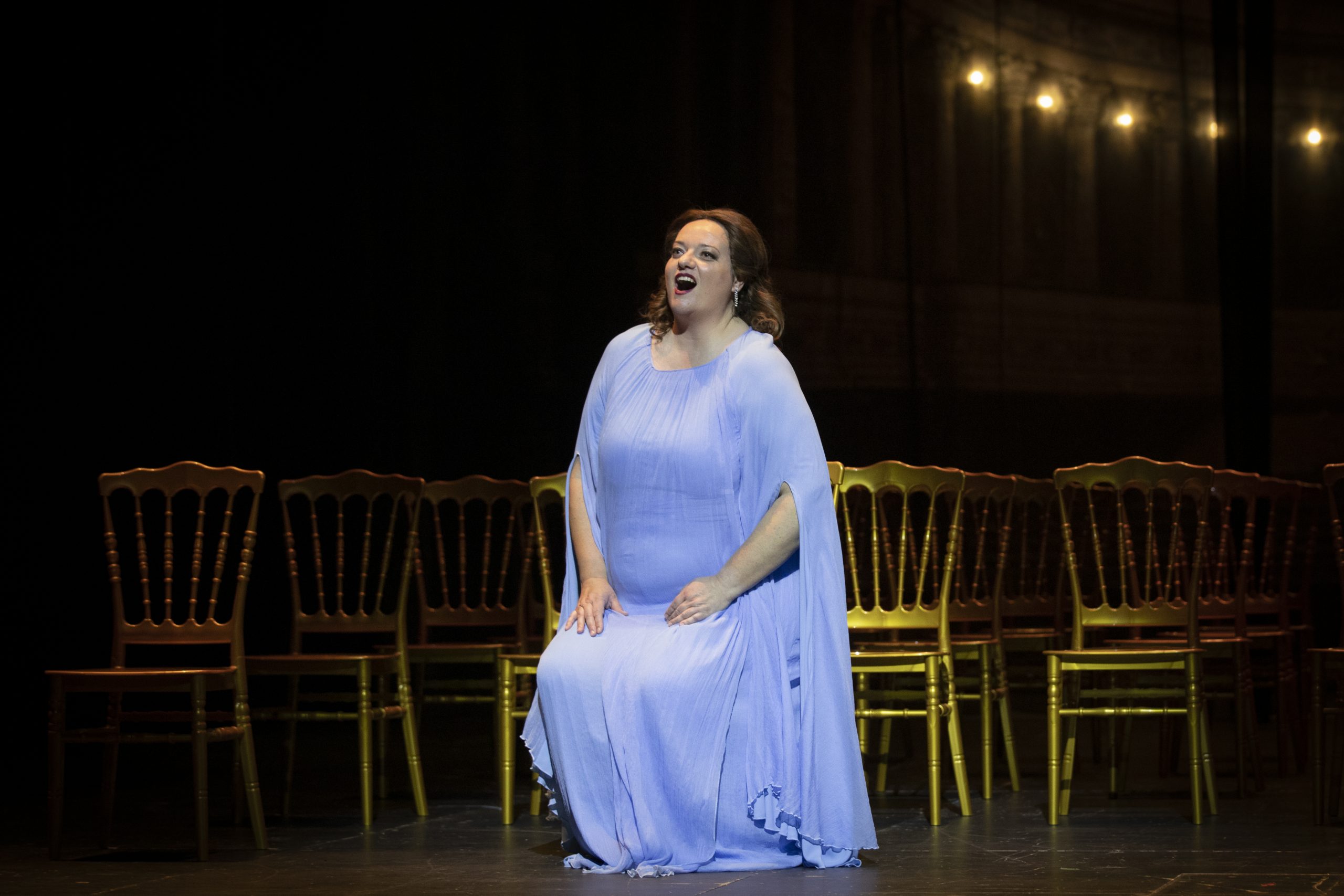
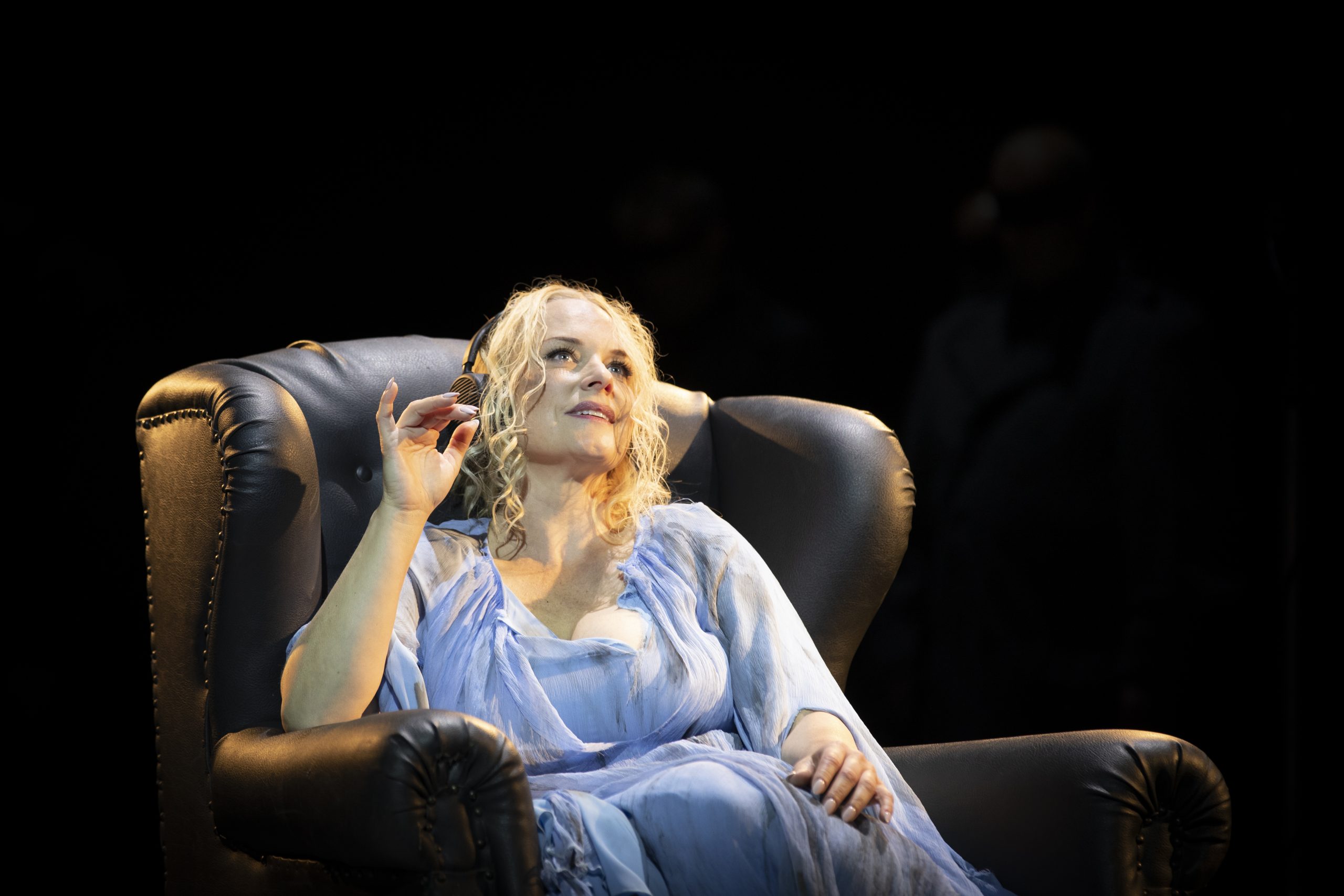
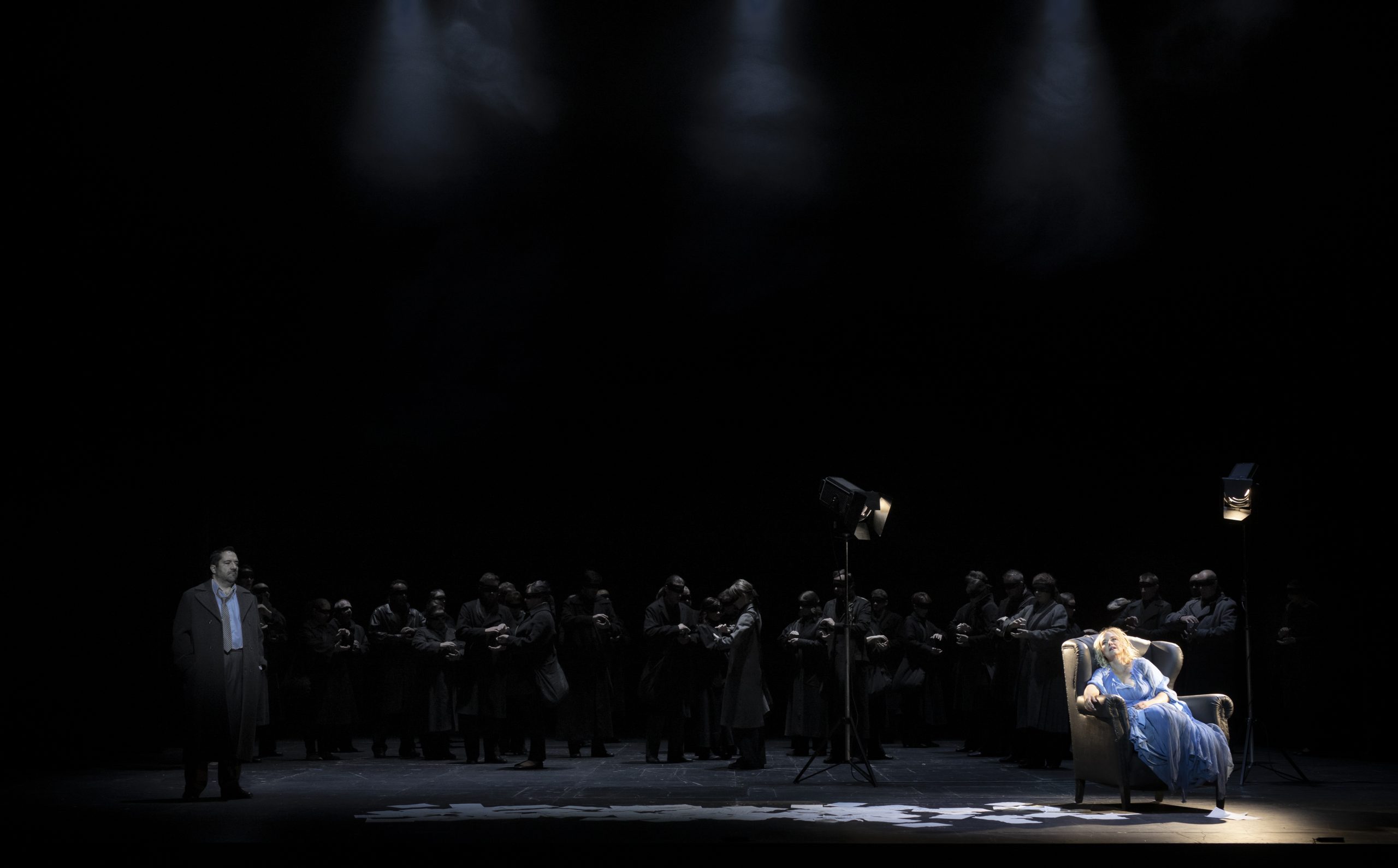
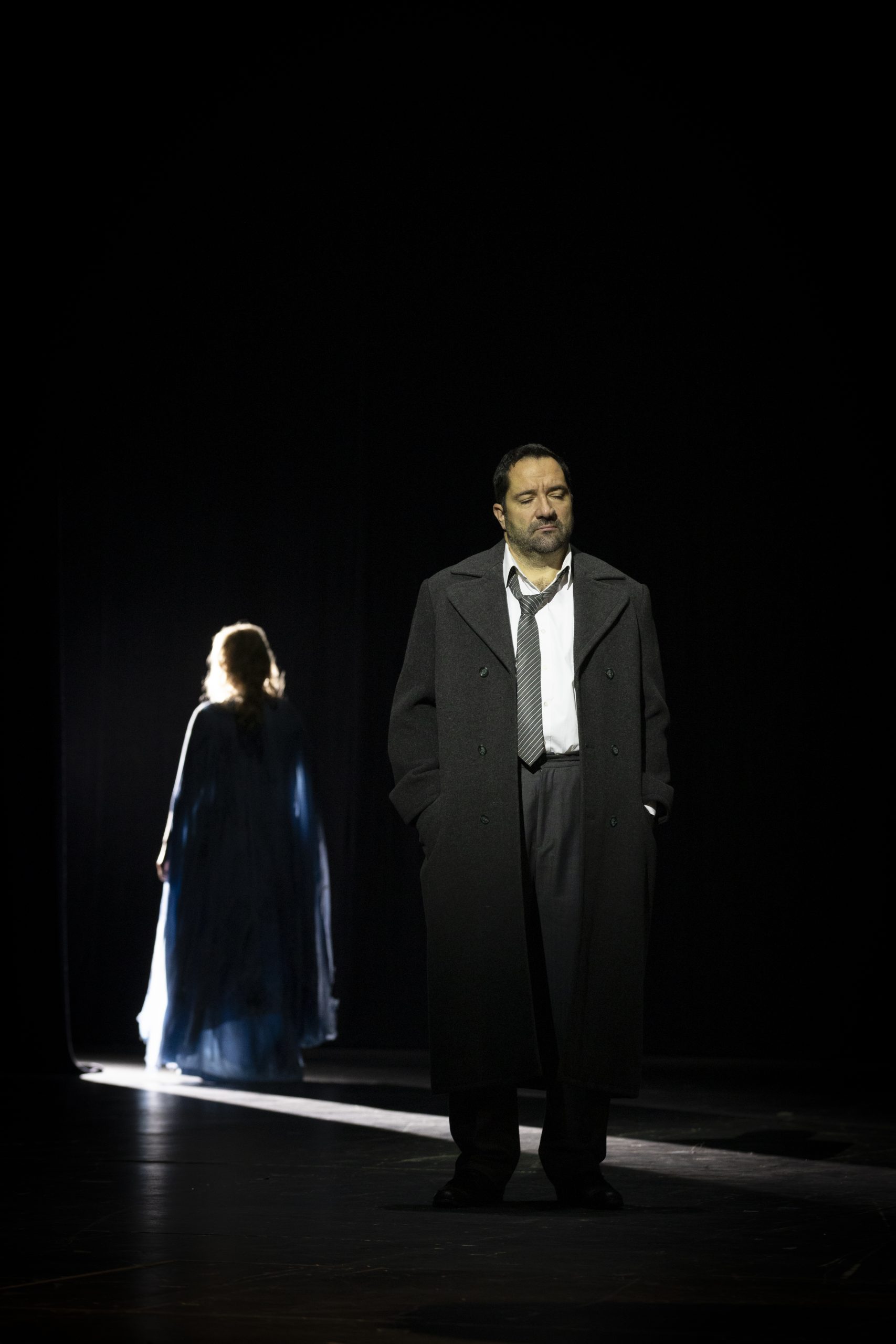
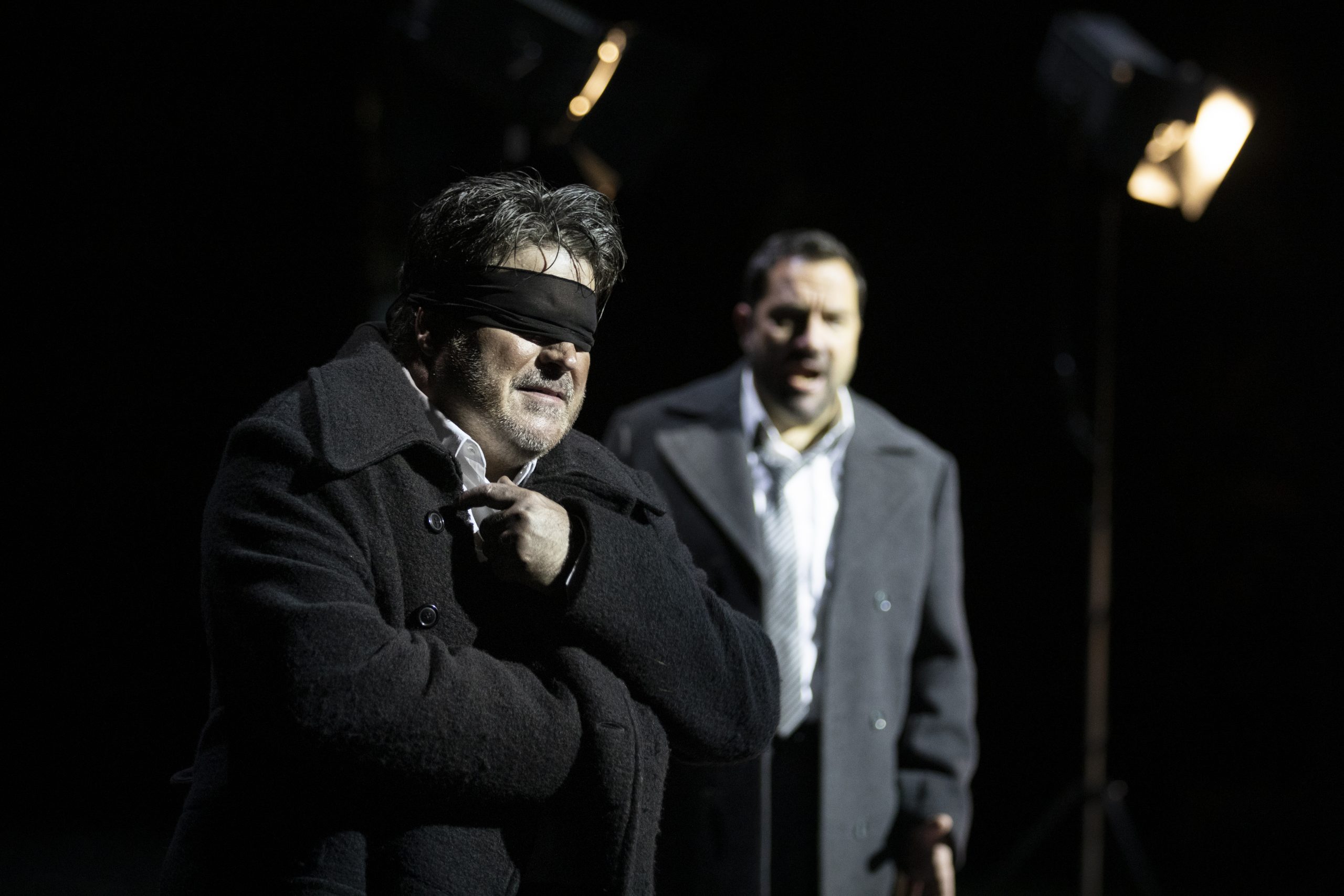
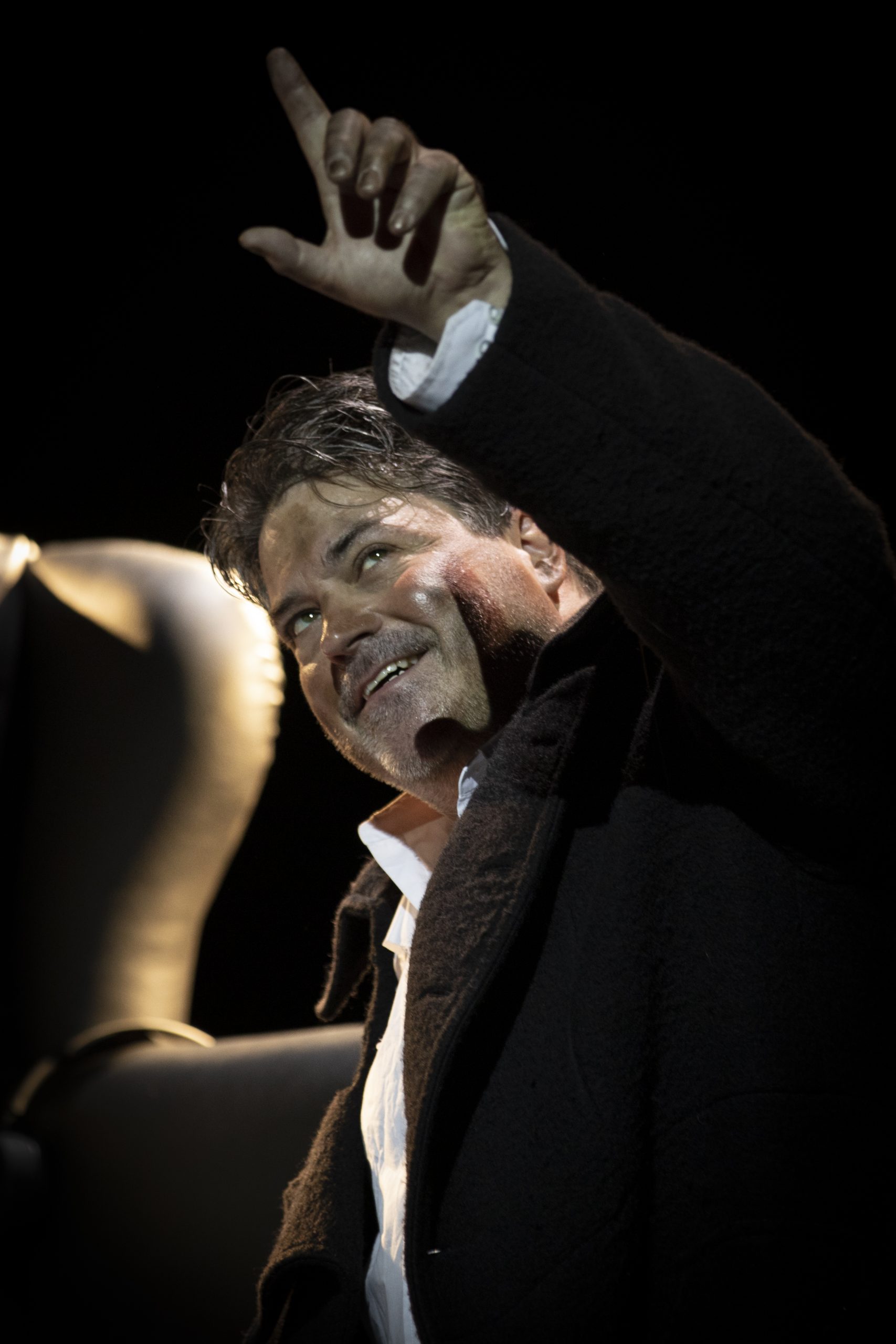
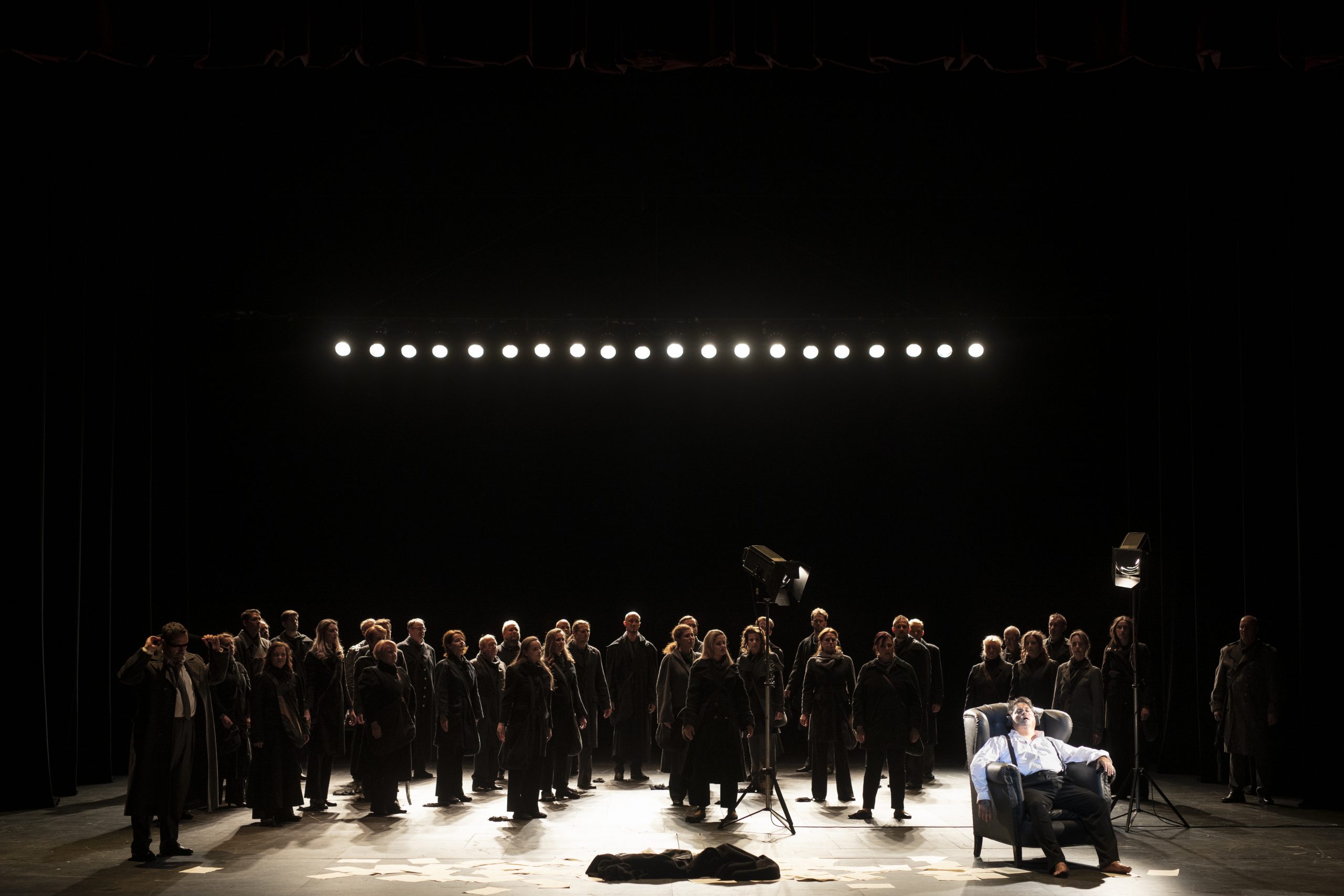
The beginning of the forthcoming opera season will undoubtedly be marked by a significant historical moment: the first staging of Wagner’s romantic opera Tannhäuser on the main Maribor stage. With its iconic story of the Minnesinger protagonist torn between the realm of pleasure and erotic intoxication on Venusberg and the Wartburg, where knightly honour, Christian morality, and idealised love for Elisabeth prevail, the opera stands as one of the most important works of the nineteenth century. It also marks a decisive threshold in Wagner’s music-theatrical development, pointing toward the search for a more integral mode of expression that he would later realise in his music dramas and in the idea of the Gesamtkunstwerk.
Tannhäuser’s inner rift between the bodily and the spiritual, between sin and the Christian idea of redemption, drives Wagner’s music-theatrical language to a new level of artistic opposition, unfolding between the intoxicating dramatic force, chromaticism, and melodic sensuality of Venus’s pagan world, on the one hand, and the contemplative diatonicism of choral song, which evokes the Christian spiritual sphere, on the other – caught within a the(le)ological mechanism of rituals that continually oscillates between sin, pilgrimage, and penance. The first Maribor production of Wagner’s Tannhäuser is being created as an international co-production with the Croatian National Theatre in Zagreb and Cankarjev dom Ljubljana, in the stage vision of the acclaimed director Frank Van Laecke and under the inspired musical direction of Simon Krečič.


Ondina Otta Klasinc Haal
2 Intermissions
Photo gallery
















Cast










Director
Conductor
Creators
We invite you to see